
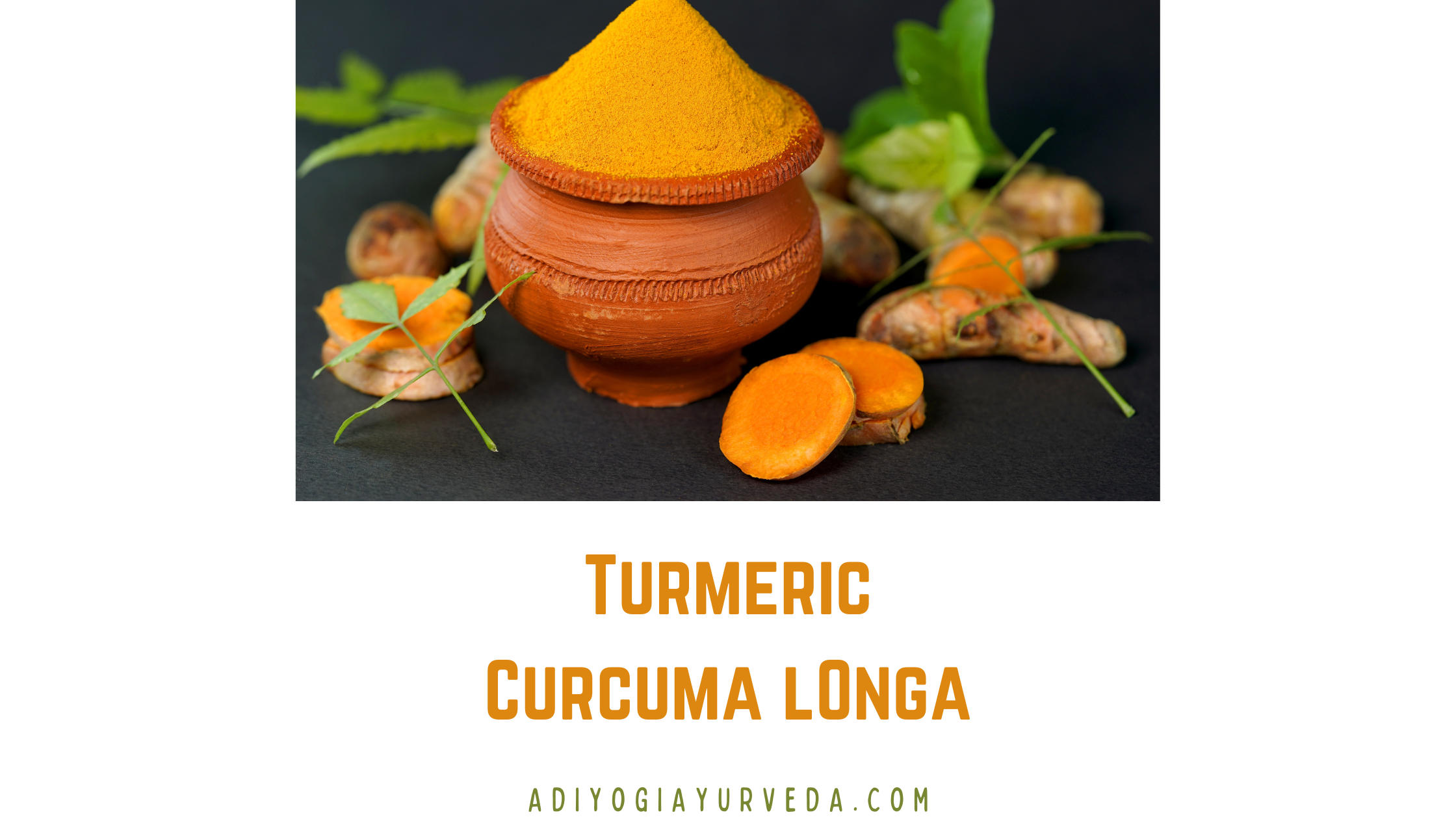
Belonging to the family of Zingiberaceae, same family as Ginger, turmeric or Curcuma longa has been the heart of Asian cooking for centuries. With much popularity in the Chinese and Ayurvedic medicine traditions, this perennial has made its way to other healing traditions including the Unani, North American herbalism and Central American herbalism over the years. Though culinary art is the dominating arena of turmeric worldwide, it is also acknowledged for the wide range of medicinal benefits. Nowadays, it is used both as a home remedy as well as a culinary spice and with a very good reason.
So, let’s dive in to the details of this amazing herb/spice. It’s a tropically grown plant that is native to South-East Asian region but mainly countries of India and Indonesia. The ideal growing climate for turmeric is in warm, damp and sunny regions. Just like its family member, the rhizome is the part used from this herbaceous plant. The skin is brown and can be easily peeled off. The inside part of the root has a saffron like yellow color which gives it’s other widely known name Indian Saffron. The known constituents used today are curcuminoids, zingiberone, atlantone and tumerone oils, sugars, proteins and resins. The main exporters of this spice are India, Vietnam, Burma, Indonesia and Netherlands while the biggest importers are United States, India, Iran, Germany and Bangladesh according to the Observatory of Economic Complexity (OEC).
Turmeric or Curcuma longa is traditionally used as a dye to color monks’ robes. Other than that, commercially it is used today to color and flavor food items such as mustard pastes, pickles and other varieties of foods that need the yellow color. Other than coloring cloth, it is also traditionally used as a skin paste in women’s beauty regimes as the application enhances the quality of the skin and gives a rich golden hue. It is used in many beauty products to enhance skin. Another traditional use is in Hindu rituals as a holy herb to adorn the statues, to cleanse and to purify during religious ceremonies. In pre-wedding ceremonies, Turmeric is applied on the bride to make her beautiful and the paste is applied on both the bride and the groom before the wedding as a means of blessing the couple. It is also favored by Lord Krishna and is linked to Luxmi devi as well since it represents prosperity.
Sanskrit name for turmeric is Haridra. Hindi name is Haldi, while in Sinhala it is called Kaha (meaning yellow). In Thai it is called khamin chan. Chinese calls it Huang Jiang. In Indonesia it is called kunyit while in the Philippines it is called luyang dilaw. Asia is not the only region that is turmeric is popular in. Pacific Islands and Hawaii has been using it for a longer time. Over time this aromatic rhizome made its way to the Middle East cuisine as well as the Unani medicine tradition. Although some say that turmeric first travelled to Europe in 13th century, there are earlier records of its use as trade took place even earlier as records show trade routes from Asia to Middle East, North Africa and Europe well before the European exploration and colonization. In fact, ancient Roman coins were found in excavated sites in Sri Lanka and the historical records of the Silk Route are proof that trade went back to centuries earlier. It made its way into the Caribbean Islands through European explorers where it has become an adored spice in every kitchen. Due to the similar tropical weather as its native land, turmeric adapted very well in the Caribbean countries and continues to thrive today.
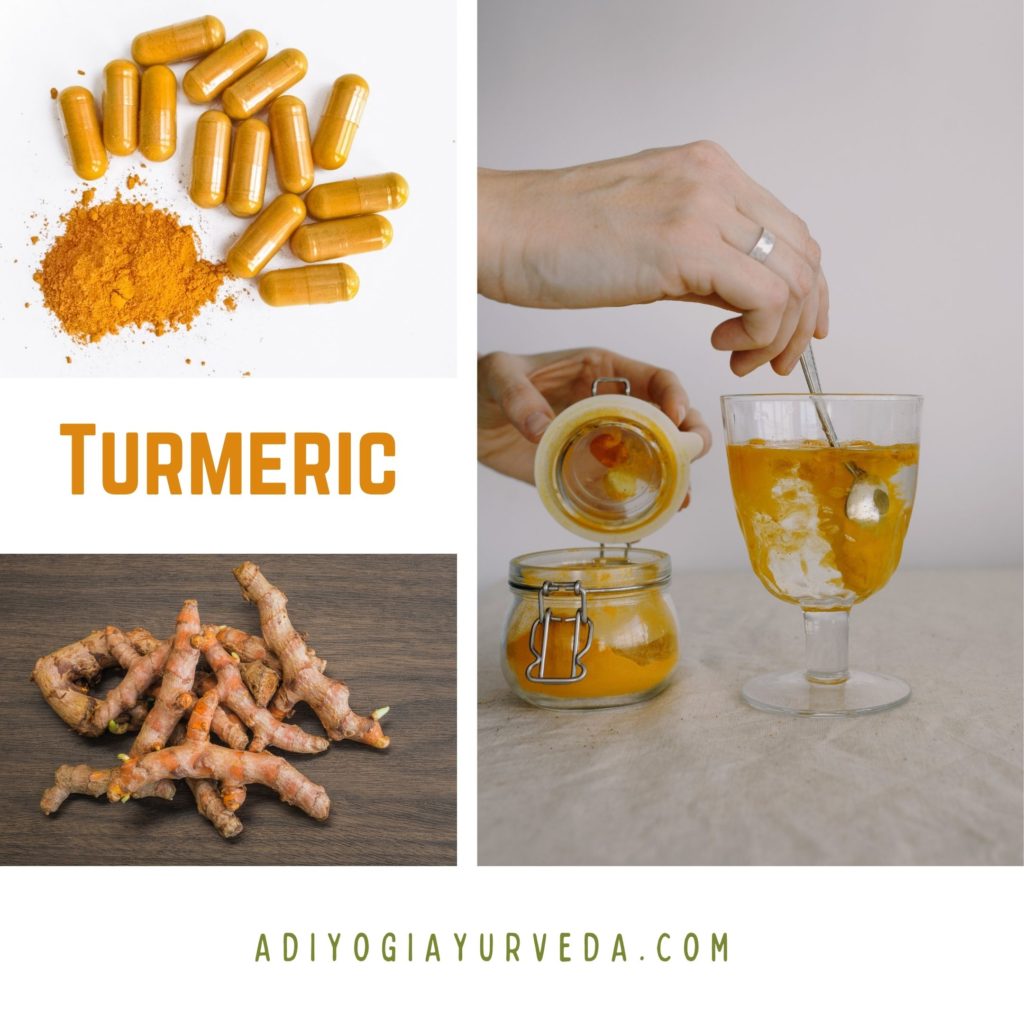
When it comes to cooking, this herb is used in most dishes. There are only a handful of dishes, very very few, that I have come across that does not have turmeric in Indian and Sri Lanka cuisines. This is such a favorite in many Asian, North African, Middle Eastern and Caribbean cuisines for years which has now expanded to many other cuisines in the world. An important thing to remember is that turmeric is fat soluble so its best sautéed with ghee for added health benefits and consumed with black pepper or nutmeg for better absorption and assimilation. Taken along with coriander, turmeric helps to digest complex carbohydrates.
It has a pungent flavor with an astringent and bitter qualities. Not only does it enhance the flavor of the dish but also adds a beautiful color. It is used in meat dishes, vegetables dishes, in soups, in sweets and drinks. In Ayurveda, it is known to be Tridoṣhic, meaning that it is good for all three doṣhas in moderate amounts while actively reducing Kapha doṣa. In excess it will aggravate Vāta and Pitta doṣas due to its pungent and dry qualities. There is an option to buy fresh or powdered. The powder will last for up to a year in an air tight container stored in a dark, cool place. The fresh root will store in the refrigerator up to a month. Some grind the root into a pulp and freeze it to store longer. Just like any other root, it stores well in a dark, cool place and lasts well.
Anti-Inflammation
Well known for its anti-inflammatory characteristics, it is used in medicine and in food to help with inflammation. Curcumin is a very popular extracted constituent of turmeric that is sold in a capsule form today. Turmeric coats the stomach walls to protect against ulceration and stimulates mucus production to protect the stomach wall lining from gastritis and hyperacidity. The wound healing and astringent properties render it as an excellent herb for stomach ulcers as a protectant and a healer. Stimulating the bile production, turmeric helps prevent gallstones and the digestion of fats and proteins. As a digestive aid, it increases stomach enzyme secretions. With amazing benefits to the liver, including liver decongestion, healing jaundice, increasing glutathione levels and soothing liver inflammation, it also tones and protects the liver and spleen. As a carminative, turmeric relieves gas and flatulence during digestion or indigestion.
Herbal & Nutrition Therapy
BOOK A SESSION TODAY!
Nutrition supplements, lifestyle recommendations, diet plans and herbal remedies…..
Skin Health
Other popular use is on the skin whether it be beauty treatments, wound healing, boils, bruises, itching, skin disorders like psoriasis or eczema and skin inflammations. The astringent properties bind the liquids and promote healing while reducing inflammation. Overall, turmeric or Curcuma longs is a skin tonic. It is equally beneficial for healing internal wounds such as ulcers, blood in urine, Irritable Bowel Syndrome in the intestines.
What astringent means here is that it stops the leaking of body fluids like blood in internal and external wounds like nosebleeds, cold sores, canker sores, cuts, etc. to seal the site. This helps to stop excess liquid loss as in the case of diarrhea or in any other cases where liquids are leaking when they are not supposed to. Another benefit of astringent property is that it also helps to remove excess of liquids from tissues as in the case of edema or swelling and has an excellent use in reducing obesity. This is why turmeric is used for sprains and inflamed joints as well.
Anti-Microbial
With the antimicrobial, antibiotic, anti-bacterial, antiviral and anti-fungal properties for internal and external purposes, we can safely say that turmeric is great against most microorganisms. Added to that, its anti-fungal property protects the intestines from yeast overgrowth to promote healthy flora in the gut. Anti-parasitic quality guard the intestines from worms and other invading organisms. The antibacterial property helps to protect against staph, strep and clostridium. It is both antiseptic and antibiotic so this is a great herb to have everyday in culinary amounts as an overall protector and cleanser of the GI tract.
Anti-Cancer
Immune enhancing properties are so superb that turmeric is now known for its cancer inhibiting properties, destruction of cancer cells, tumor inhibiting and reducing properties as well as removal of carcinogens from the body. To summarize the anti-cancer benefits, it was found that daily consumption of moderate amounts of turmeric has immense cancer preventative and reducing benefits. The antioxidant quality of turmeric is said to be even better than Vitamin E, making it a great free radical fighter in preventing aging, heart diseases and cancer. As a lymph stimulant, it has properties to support the lymph system and stimulate white blood cell formation.
Energy Healing Session
We all have dark and light aspects within ourselves. Identifying the dark aspects and integrating them into the light to heal and transform to a better and higher version of self is the key goal. The healer will provide space to release the past traumas, abuse, emotional baggage, repressed emotions and other shadow aspects. This release is like a clean up that creates space for light and positive aspects to enter your life.
Diabetes
Among the many health benefits of turmeric, prevention and support of diabetes can be added to that list as it regulates blood sugar levels. Diabetes is triggered by high triglycerides due to low or no exercise, wrong diet and stress. All three factors are countered by turmeric due to its support in digestion of fats, proteins while regulating sugar in the body. It helps to fight stressors like environmental pollutants, mental stress and chemicals taken in through food by providing antioxidant support. Turmeric or Curcuma longa also supports the liver function and aids blood circulation by increasing the blood flow to the nerves of the peripheral parts of the body. To expand on that, with the development of diabetes, one of the initial indicators of the condition is the reduction of nerve function and feeling of nerves in hands and feet. With regular exercise, a cleaner diet and circulatory herbs like turmeric or cinnamon, diabetes can be prevented or slowed down.
Cardiovascular System
Turmeric shines bright in the area of heart disease, especially preventing stroke, atherosclerosis and heart attack. While lowering cholesterol levels, it enhances circulation. As a blood thinner, it helps prevent blood clots and other diseases linked with coagulation of blood. Turmeric is not recommended for those who are taking blood thinning medications and should check with a physician before use. Along with the above benefits, it also lowers high blood pressure.
Purifier
In the beginning of this blog post, I mentioned the use of turmeric as a purifier in Hindu rituals. Similarly, turmeric plays a purification role inside the body as an alterative. Additionally, Ayurvedic references states that turmeric promotes the forming of new blood tissue and helps overcome anemia. Turmeric can be compared to the golden elixir of life with its 100+ constituents working to prevent disease to bring on health.
Reproductive System
When it comes to women’s reproductive health, there are a number of benefits from turmeric. In general, it helps to regulate the menstrual cycle. When the period is irregular, this is a great herb to be using on a daily basis, especially as a spice. It helps to relieve menstrual pain and is an emmenagogue, meaning that it promotes menstruation, especially with amenorrhea. At a minor level this herb affects hormone levels but this is not in the top estrogen herbs like red raspberry or dong quai. It has some hormonal benefits on top of the reproductive system benefits. With its anti-cancer properties, turmeric also helps to reduce uterine tumors.
Arthritis
Whether it be osteoarthritis or rheumatoid arthritis, turmeric is a great herb to alleviate pain and inflammation. Osteoarthritis is usually caused due to toxin accumulation in the joints causing swelling and pain. Rheumatoid is more of a Pitta condition that is caused by inflammation. Turmeric helps to reduce swelling and to promote circulation while actively reducing inflammation. What turmeric does is that it sensitizes the cortisol receptor cells to provide relief.
Respiratory System
Cold is a condition that is caused by invading microorganisms that trigger an immune response from the body in an attempt to dispel them. Coughs are also a response from the lungs to remove invaders, toxins or materials that pose a threat to the body. In both conditions, turmeric helps to build immunity while reducing the excess liquids that are leaking from the respiratory system. On top of that, turmeric will ease sore throats by soothing, coating and protecting the inflamed area. This is an excellent herb against allergies as it helps to relieve symptoms and build the immune system over time. Apart from those benefits to the respiratory system, turmeric breaks up congestion to provide relief. Turmeric can be a very useful herb in helping to bring down fevers as well.
Clinical Trials
Among the studies done on Turmeric or Curcuma Longa, many showed positive effects on skin conditions such as dermatitis, acne, eczema and psoriasis. Another study was done to check for toxicity and the conclusion was that it is safe and non-toxic (probably why it is in every kitchen in Asia). Other studies conducted were to test the anti-inflammatory properties and was shown that many anti-inflammatory conditions like arthritis, IBS, pancreatitis, chronic anterior uveitis and cancers were shown positive results through the use of turmeric. Another paper stated long clinical trials on cancer that showed turmeric having anti-cancer properties.
Personally, I use turmeric in food every day. I have found that to be very useful in maintaining my health while flavoring food with its rich taste and fragrant aroma. Growing up in Sri Lanka, turmeric is one of the first herbs I was introduced to as a child. It has a very light peppery taste so it is not overwhelming just like coriander. One of my favorite ways to take it is as golden milk occasionally. During winters this beverage adds an extra level of warmth and coziness to my day same as the occasional cup of cocoa.
The recommended daily maximum is 8g but the culinary dose is even less. High doses should only be taken under the care of a healthcare professional. Though it is non-toxic, it may aggravate Pitta and Vāta based on the individual prakṛti. So, if your body type has Pitta or Vāta or both, it is better to take in culinary amounts unless you are being treated by a natural medicine doctor or an herbalist. Usually a teaspoon or two is added to a curry (depending on the portion or size of dish).
Apart from that, this is an herb that is in my top 30 herbs list and something I absolutely love consuming daily. As this spice is being introduced to many kitchens worldwide, it has been growing in popularity. Turmeric or Curcuma longa is very easy to fall in love with, may it be because of the flavor or the health benefits.