
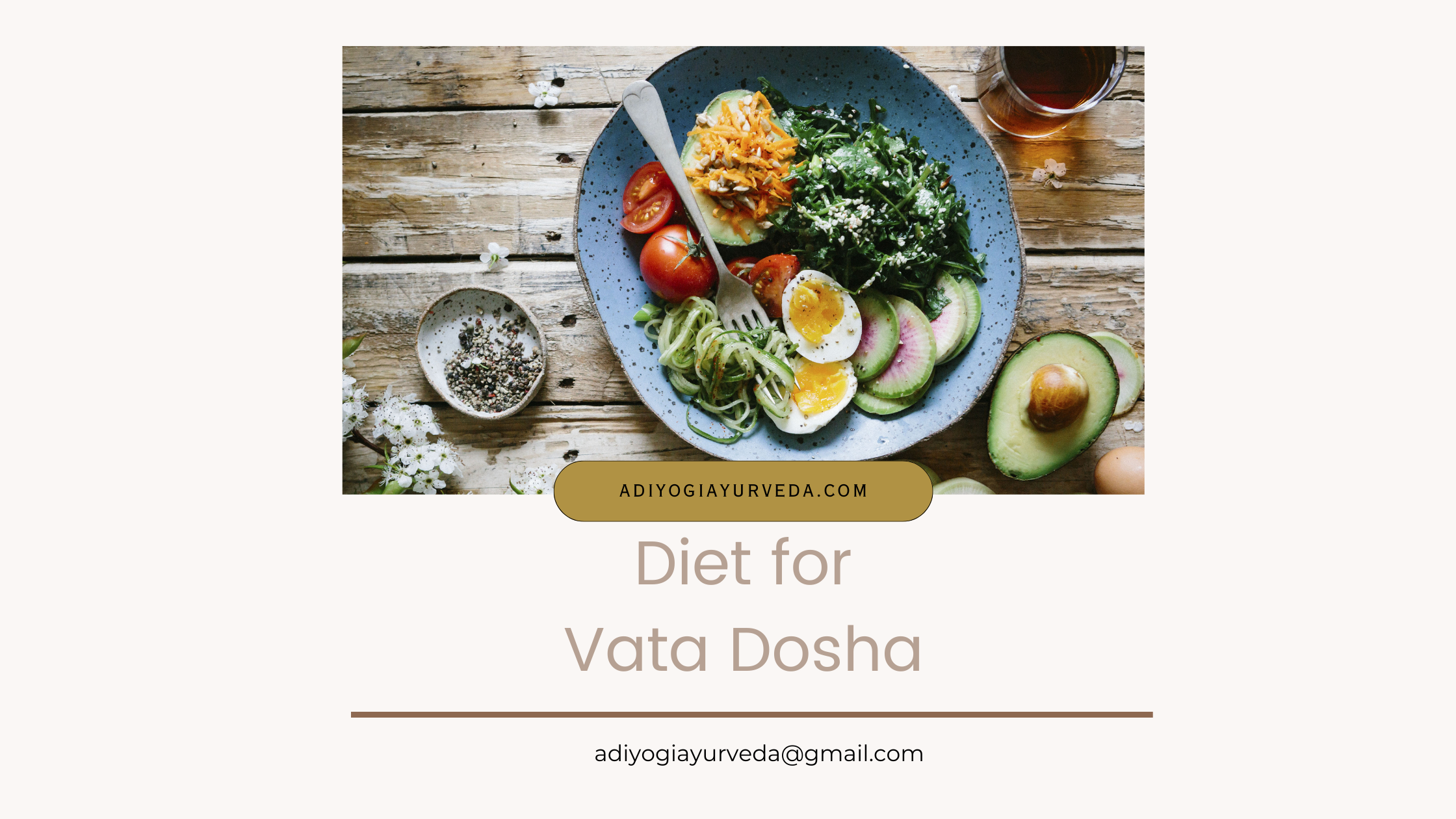
Diet for the Vāta doṣa type can be hard to figure out at first, especially if you are a mix of Vāta and another doṣa. This post will go into detail in understanding the dynamics of a typical Vāta type body and tendencies to explain what type of things to watch out for and what type of things are to gear towards when it comes to lifestyle and food.
Let’s begin by understanding all three doṣas quickly. For more details please visit this post. Vāta doṣa is made out of the dry, light, cold, rough, mobile, subtle and clear attributes. Pitta doṣa is made out of light, sharp, hot, little oily, spreadable (with Vāta) and cloudy attributes . Kapha doṣa is made out of cold, heavy, slow, oily, dense, static, gross and cloudy attributes.
Vāta body would have the tendency to be dry with rough skin. The body weight would be on the lower end with difficulty in gaining weight. They would want to do many things but the low stamina and scattered mind would not allow them to carry out one task for long. The bones would give off cracking sounds, especially if the weather or external environment is dry and cold. Dry skin is a common problem for the Vāta doṣa types.
When it comes to digestive capacity, Vātas are not capable of digesting high amounts of food. Their usual appetite is erratic and can change according to mood, weather, day, stress level, etc. The usual appetite is small with many meals a day. In other words, they eat like a bird.
They are very sensitive emotionally, so any mood swing can alter the appetite. If feeling bad, they might not want to eat. Vāta types tend to suffer from anxiety and nervous disorders. They are frightened easily and that fear would affect the digestive tract directly. They cannot eat or digest well when nervous.
Indigestion can be a common digestive tract issue that the Vātas face due to the erratic eating habits and emotionally sensitive nature. Another big digestive problem is constipation. As they are very sensitive to the food that they eat, the indigestion will also show up as gas.
Herbal & Nutrition Therapy
BOOK A SESSION TODAY!
Nutrition supplements, lifestyle recommendations, diet plans and herbal remedies…..
Food
Diet for the Vāta doṣa type needs to be warm and moist with least amount or no raw food as possible. Since their digestive system is weak, cooked food will benefit them the most. The dry nature of the body will benefit with eating food with moisture rather than dry food. Warm food will help to warm their belly as they suffer from bouts of cold, especially during the winter.
OILS
The food can be made with oils such as olive oil, coconut oil, ghee (best for any doṣa type), almond oil and sesame oil (best). These are heavier types of oils that will provide the Vātas with the most amount of moisture. Although oil is recommended, it is best not to put too much oil as it will be difficult for them to digest it.
Sautéing with oils can add much needed lubrication to the Vāta diet. Adding small amounts of ghee will be the best as it is a very sattvic type of oil. Almond oil can also benefit well for the Vātas. Sesame oil will provide a very good balance in the body as well as provide essential nutrients in the diet.
VEGGIES
Heavier vegetable types like root vegetables (beetroot, carrots, potatoes, yams and fennel) are beneficial for the Vāta type. Staying away from the cruciferous family (especially broccoli, brussels sprouts and cabbage) and too many green leafy vegetables (arugula, salad greens, kale and chard) will help counter the gas problem. Salads are to be eaten less while food that are cooked well are encouraged. Soups are also a very good addition.
The best way to make food for the Vātas is using spices. The carminative spices such as fennel, cumin, black cumin, coriander, cinnamon, asafetida, cardamom and cloves would help counter the gas problem as well as act as digestive aids. Using these spices especially with cruciferous family veggies, beans and legumes would help in the overall digestion and assimilation of the food eaten.
FRUITS
Juicy and sweet fruits like pears, oranges, figs, grapes, mango, berry types, persimmons, tangerines, peaches, nectarines, papaya and dates are some wonderful additions to the intake of food. These will prove to be great snacks in between meals as well as moisture providers.
Avoid dried fruits at all times. Water reducing fruits like cranberries should be avoided along with apples. Most fruits are ok for Vāta types though as fruits tend to be sweet and lubricating in general.
DAIRY & MEATS
Since Vātas tend to be undernourished due to the complicated digestive system and erratic eating habits, they can benefit from eating dairy, meats and fish in general. It is encouraged that meats and fish are added to the daily diet. Fish will bring in the Omega 3 fats and they are easy to digest. Milk will give nutrition and moisture for the Vāta body as well. Overall, dairy and meat products will be good.
OTHER FOOD TYPES
Oats, rice, wheat, cous cous, semolina are good grain types for Vātas as they are heavy in nature. Avoid red rice though. The grains will provide the strength and volume the Vātas need for substance and volume to form stools. Grains also provide good nutrition.
Black beans and mung beans are the most beneficial for the Vātas and easiest to digest. Other lentils and legumes can be cooked with spices, especially with carminatives, to support the digestion and to avoid gas. Food cooked well also help counter gas formation.
Nuts and seed types with oiliness are very good. Some examples are almonds, cashews, brazil nuts, macadamia, pistachio. sunflower seeds. walnuts, pecans, pumpkin seeds, flaxseed and walnuts. Vātas, in general, benefit well from eating nuts and seeds as they are rich in essential nutrients and beneficial fats.
Most spices are good for the Vātas as well as most sweeteners. Since spices will give the food a warm effect, it will help warm the body. The sweet taste will give heaviness that the Vāta body desperately need especially through good food sources (not white sugar). Sweeteners like jaggery, raw cane sugar, molasses, agave and honey will be great to add with the food.
Vedic Counseling Session
BOOK YOUR SESSION TODAY!!
Spiritual journey requires some advice to help stay on the path of ascension. Yogic principles and philosophy were created to provide clear guidance on how to approach physical life in a spiritual manner to connect to the unity consciousness and beyond.
Find out how you can make space for spirituality in your life with this session while identifying karmic patterns in order to learn how to overcome them.
Regular exercise, good diet and good lifestyle choices will help the Vāta doṣa to stay in balance. Slow yoga routines and walking will be a positive addition. Oil massages will bring amazing benefits by adding lubrication to the dry body as well as regular drinking of water. Mantra and prayer will assist in keeping the mind from having scattered thoughts.
In conclusion, the diet for Vāta doṣa type should be warming, moist and heavy. It is best to eat at regular times as Vāta body will react better to routine as they are prone to be most stressed out of the three guṇas. Routine will provide the body with stability that will help navigate easily through day to day life.